Squint (Strabismus) – Diagnosis & Treatment for Children and Adults
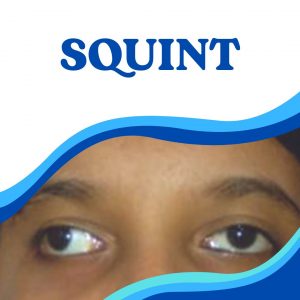
Squint, medically known as strabismus, is a condition in which the eyes are not properly aligned and point in different directions. One eye may turn inward, outward, upward, or downward while the other looks straight ahead. Squint can affect both children and adults and may impact vision, depth perception, and appearance. At Agashe Hospital, Mumbai, our squint specialist provides comprehensive squint diagnosis and personalized treatment for patients of all ages.
What Is Squint?
Squint occurs when the muscles that control eye movement do not work in coordination, causing misalignment of the eyes. When the eyes are not aligned, the brain may ignore the image from one eye to avoid double vision. Over time, this can lead to reduced vision in the affected eye, especially in children. Early evaluation and treatment are essential to restore proper eye alignment and visual function.
Squint in Children
Pediatric squint often appears in early childhood and may be noticed as crossed or wandering eyes. It can be constant or intermittent and may involve one or both eyes.
Common causes include:
- Uncorrected refractive errors (especially farsightedness)
- Poor coordination of eye muscles
- Congenital or developmental conditions
If left untreated, childhood squint can lead to amblyopia (lazy eye) and impaired depth perception. Early treatment by a pediatric eye specialist helps ensure proper visual development and long-term eye health.
Squint in Adults
Adult squint may be a continuation of childhood strabismus or may develop later in life due to:
- Previous eye muscle imbalance
- Trauma or eye surgery
- Neurological conditions such as stroke
- Long-standing poor vision in one eye
Adults with squint may experience double vision, eye strain, headaches, or cosmetic concerns. Adult squint treatment focuses on improving eye alignment, visual comfort, and quality of life.
Signs and Symptoms of Squint
Symptoms may vary by age and type of squint and can include:
- Visible eye misalignment
- Double vision (more common in adults)
- Closing or covering one eye
- Head tilting or turning to see clearly
- Poor depth perception
- Eye strain or fatigue
Even intermittent or mild squint should be evaluated by a squint specialist.
Diagnosis of Squint
At Agashe Hospital, squint diagnosis involves a detailed eye examination, which may include:
- Assessment of eye alignment and movement
- Visual acuity testing
- Refraction to check for spectacle power
- Evaluation for amblyopia
- Neurological assessment when required
Accurate diagnosis helps determine the cause and guide the most effective treatment plan.
Treatment Options for Squint
Squint treatment depends on the patient’s age, type of squint, and severity. Treatment options may include:
- Corrective glasses: To treat refractive errors contributing to squint
- Amblyopia therapy: Patching or vision therapy in children
- Prism glasses: To reduce double vision in selected adult cases
- Squint surgery: Eye muscle surgery to realign the eyes
Squint surgery may be recommended for both children and adults when non-surgical measures are insufficient. Surgical correction improves eye alignment and, in many cases, visual function and confidence.
Importance of Early Treatment
Early treatment of squint is especially important in children to prevent permanent vision loss and support normal visual development. In adults, timely treatment can relieve symptoms such as double vision and improve facial symmetry and self-esteem.
Why Choose Agashe Hospital for Squint Treatment?
- Expert Squint Specialists: Experience in managing pediatric and adult strabismus
- Comprehensive Evaluation: Accurate diagnosis of functional and cosmetic concerns
- Personalized Treatment Plans: Tailored care for each age group
- Continuity of Care: From diagnosis to post-treatment follow-up
FAQs
Some squints can be managed with glasses, exercises, or patching, especially in children. Surgery is advised when these methods are insufficient.
No. Squint surgery can improve eye alignment, binocular vision, and visual comfort, in addition to cosmetic appearance.
Yes. Adult squint treatment can significantly improve double vision, eye strain, and quality of life.
Early evaluation is recommended as soon as squint is noticed, even in infancy.
Some cases require long-term follow-up, and rarely, additional treatment may be needed.